Why the West Coast Is Defining the Future of Data Center Design
Across the western United States, data center design is being shaped under conditions that are rarely clean or predictable. This is where advanced AI platforms are deployed first, where power and cooling constraints collide with rapid growth, and where design standards are often written before they are replicated elsewhere.
That reality is what makes Advancing Data Center Design & Engineering West 2026 the flagship forum for design and engineering teams navigating uncertainty at scale. As infrastructure demand accelerates, the challenge facing many organizations is no longer how to build faster, but how to make early design decisions that remain viable as technology, regulation, and market conditions continue to shift.
Why Data Center Design Challenges Are Intensifying Across the West Coast
Growth across western markets is exposing pressures that are less visible in more established regions. Grid availability, water constraints, land use restrictions, and heightened regulatory scrutiny are converging with unprecedented demand for capacity. At the same time, AI workloads are introducing new levels of density and variability that traditional design models struggle to accommodate.
As a result, design teams operating in the West are often working without the safety net of mature standards or proven templates. Many of the decisions made here are first of a kind, with consequences that extend far beyond a single facility or campus.
AI Workloads Are Forcing a Rethink of Data Center Design Standards
AI workloads have pushed rack densities well beyond what most historical design frameworks were built to support. Yet the challenge is not simply higher power or heat. It is uncertainty.
GPU platforms evolve rapidly, deployment behavior frequently diverges from early projections, and the cost of getting density assumptions wrong is rising sharply. Overbuilding risks stranded capacity, while underbuilding can constrain growth before facilities reach full utilization.
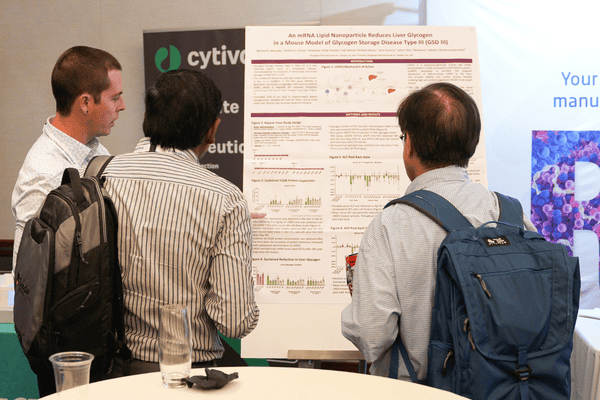
To address this, many teams are turning to AI focused design discussions and technical sessions to pressure test assumptions around electrical distribution, cooling architecture, and long term flexibility. In the West, the priority is not optimization at the margins, but defining standards that can absorb change.
Why West Coast Markets Are Setting Standards Before They Scale Elsewhere
In many regions, the main challenge is execution at scale. In the West, the challenge is defining what scalable actually means under evolving AI workloads, constrained infrastructure, and shifting regulatory expectations.
Because of this, design decisions made in western markets often go on to influence approaches adopted elsewhere. Electrical topologies, density allowances, and cooling strategies refined here are later adapted, replicated, and standardized across other regions.
Many of these decisions are being shaped by design and engineering leaders from hyperscalers, developers, and engineering firms who are responsible for setting direction early, rather than simply executing against established playbooks.
Power Constraints Are Redefining Data Center Site and Infrastructure Strategy
Across the West Coast, power availability is no longer a background assumption. Grid congestion, long interconnection timelines, and uncertainty around transmission upgrades are actively shaping where projects can move forward and how quickly.
Power strategy is therefore moving upstream in the design process. On site generation, hybrid power models, and phased energization strategies are being evaluated alongside land selection and permitting considerations. These issues feature heavily across power and grid strategy sessions, reflecting how central infrastructure availability has become to overall project viability.
For design teams, this shift means that electrical architecture, site planning, and utility coordination can no longer be treated as sequential steps. They must be resolved together, often under real delivery pressure.
Cooling Strategies for AI Data Centers Are No Longer One Size Fits All
The industry conversation around cooling has evolved quickly. While liquid cooling continues to gain momentum for high density AI workloads, most organizations are navigating hybrid environments rather than clean transitions.
Facilities must increasingly support mixed densities, parallel cooling approaches, and evolving equipment form factors within the same footprint. This introduces new complexity around coordination, commissioning, and operations readiness.
Sessions focused on liquid and hybrid cooling design for AI workloads reflect how teams are balancing performance today with adaptability for future platforms. In the West, where AI deployments often arrive first, these trade offs are being tested in real time.
Permitting, Community Engagement, and Approval Risk Are Now Design Inputs
Alongside technical challenges, western markets continue to experience heightened scrutiny around data center development. Noise, water usage, land use, and environmental impact increasingly influence approval timelines and delivery risk.
Design teams are now playing a more direct role in managing these factors, contributing to early engagement with authorities and communities to align expectations before designs are locked. Discussions around designing for regulatory and permitting realities highlight how approval risk has become a core design consideration rather than a downstream hurdle.
Why the West Coast Remains the Proving Ground for Data Center Design
Taken together, these pressures explain why the West Coast continues to function as a proving ground for next generation data center design. It is where advanced workloads meet real world constraints, where uncertainty is highest, and where first of a kind decisions are often unavoidable.
Strategies refined here frequently go on to influence delivery models and design standards across other regions. Electrical architectures, cooling approaches, and coordination frameworks developed under western conditions are later optimized and scaled as markets mature.
Advancing Data Center Design & Engineering West brings together leaders defining next generation data center design to interrogate assumptions early, stress test emerging strategies, and align teams before uncertainty hardens into risk.
A Flagship Data Center Design Event for Teams Defining What Comes Next
As data center programs grow larger, denser, and more exposed to external constraints, the cost of early design decisions continues to rise. Nowhere is that reality felt more acutely than in the western United States.
For teams responsible for setting direction rather than simply executing against it, Advancing Data Center Design & Engineering West remains the forum where difficult questions are tackled first and where the future of data center design begins to take shape.
Explore the Agenda
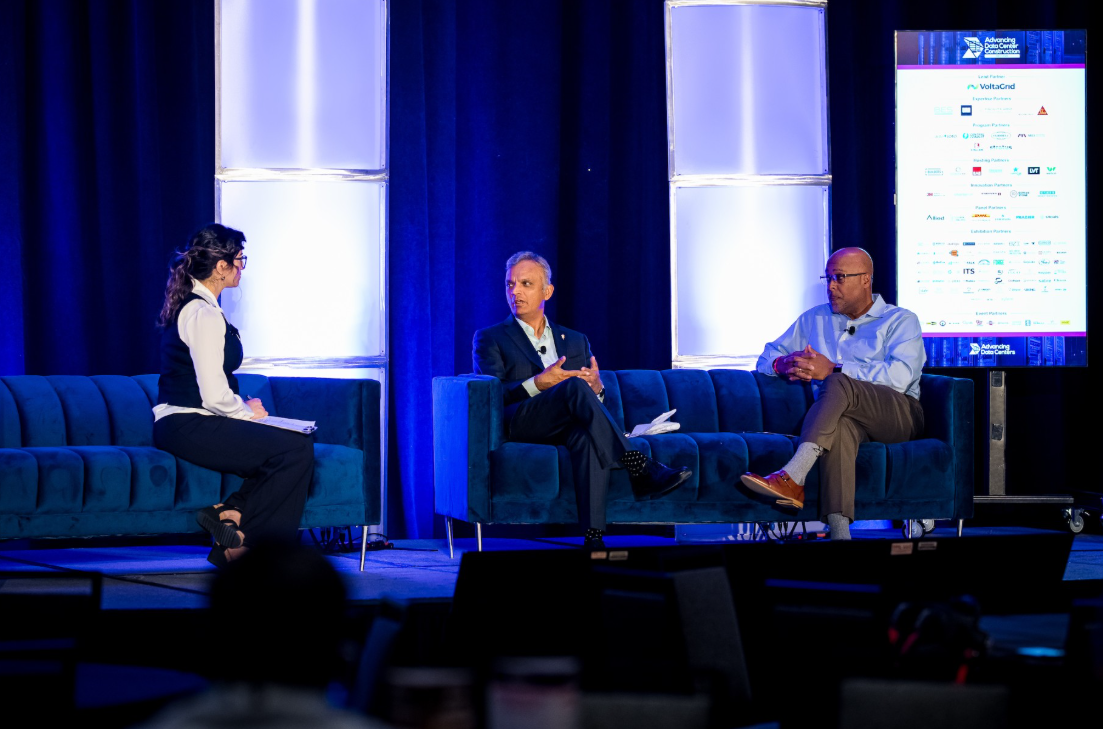
Create your definitive playbook through the latest case studies and interactive workshops from firms at the bleeding edge of data center facility design.
Partner With Us
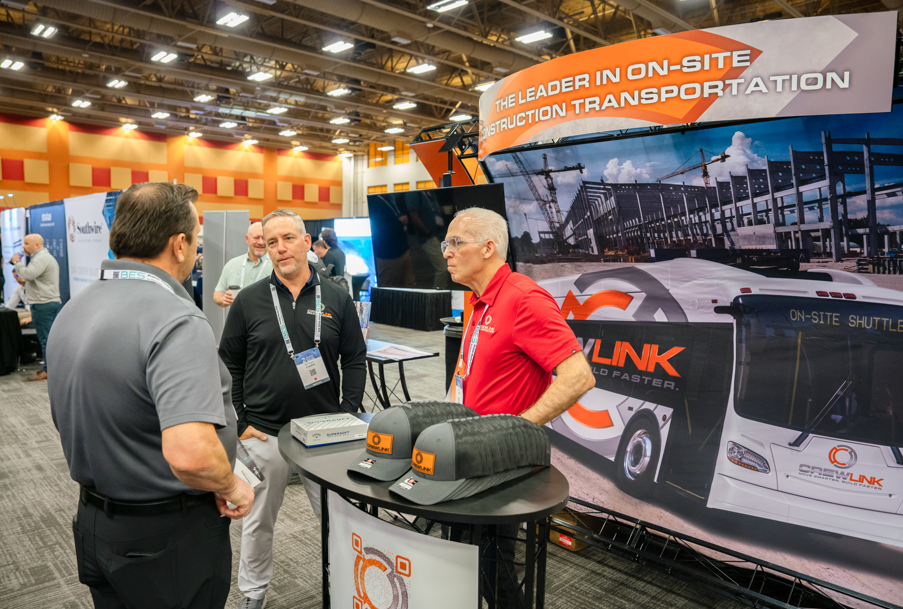
Showcase your capabilities to the most innovative decision-makers and shape the future of data center design and engineering.
Join Leading Regional Players
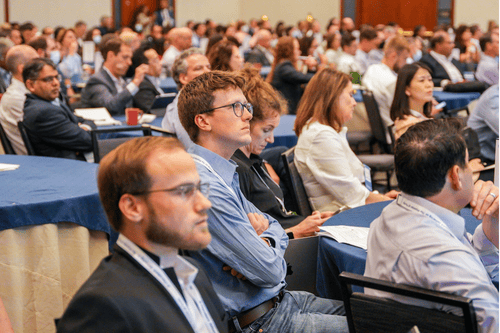
Secure your team’s passes to forge new partnerships and benchmark best practices with leading hyperscalers, colocators, developers, architects, and engineers.